How to Play Tongits in 2026: What Changed This Season
Why Tongits Feels Different in 2026
If your last serious tongits session was at a barangay fiesta table with worn cards and a pile of coins, the version you'll meet online in 2026 is a different animal. Not unrecognisable, but different enough that old habits can cost you a hand. The core goal hasn't moved: be the first to empty your hand, or survive the draw pile to win the pot. What changed is the environment around it.
Three things shifted this season. First, regulated Philippine platforms now enforce standardised rule sets rather than letting each operator invent its own house tweaks. Second, the digital table removes the social bluffing layer and replaces it with a timer, which changes how aggressively you should call a draw. Third, jackpot-style side bets, which were common in informal games, are now clearly separated from the base pot on licensed sites.
That last point matters most for your bankroll. When the jackpot is baked into the pot, a single lucky hand can flatten your stack. When it's a separate side bet, you can decline it and play tongits on its own terms. Know which format you're sitting in before you ante up.
The Core Rules, Refreshed for 2026 Tables
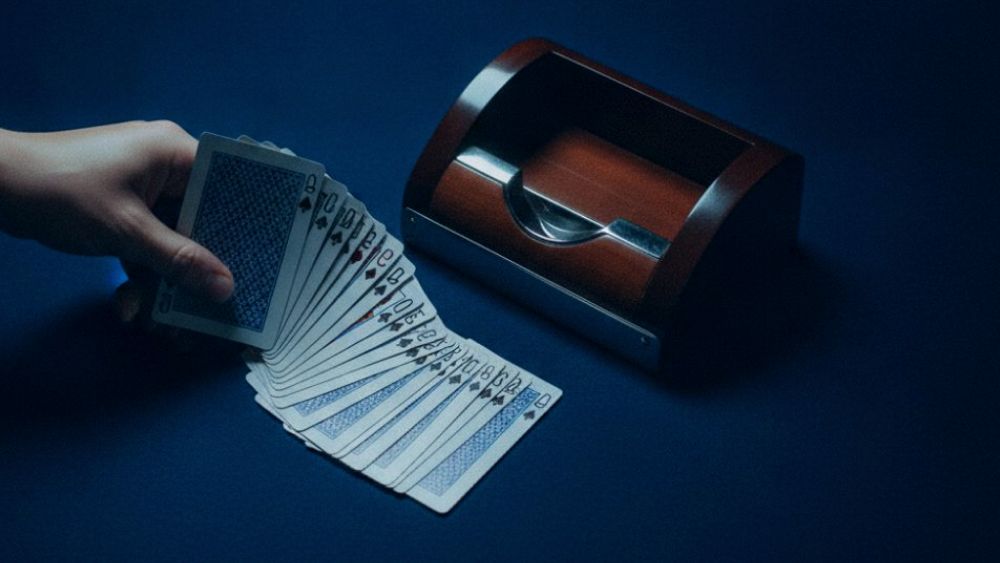
Tongits uses a standard 52-card deck, no jokers. Two to four players. Each player is dealt 12 cards, the dealer takes 13 and starts by discarding one. From there, the structure is familiar but the details matter.
The Turn Sequence
- Draw one card from the stock or the discard pile.
- Meld any valid sets or runs from your hand onto the table, face up.
- Discard one card to end your turn.
A valid meld is three or more of the same rank (a set) or three or more consecutive cards of the same suit (a run). Aces are low or high depending on the platform's rules, and this is one of the few places where operators still differ. Check the table notes before your first hand.
Ending the Round
You win immediately if you empty your hand after a discard. If the stock runs out, the player with the lowest deadwood count wins the round. Deadwood is the total of unmatched cards left in your hand, with face cards counting as 10 and aces as 1. This is where tongits separates itself from rummy variants: the draw-pile ending forces you to manage your hand even when you can't go out.
In 2026, most licensed tables apply a flat penalty to the player who called draw if they lose the count. It's usually equal to the winner's margin, which makes calling draw a genuine risk rather than a free stall.
Online Tongits Versus the Table Game: What Actually Changed
The biggest adjustment for players moving from home games to licensed Philippine platforms is tempo. A live table gives you time to read opponents. An online table gives you a countdown bar and, on most sites, a fixed decision window of 10 to 20 seconds.
That compression changes strategy in specific ways:
- You can't fake a slow call. Hesitation reads are gone, so bluffing through timing doesn't work.
- Melds are faster to arrange. The software highlights valid combinations, which removes the manual sorting error that used to cost casual players hands.
- Deadwood is calculated for you. No more arguments about whether a face card counted as 10 or 11.
- Draw calls are logged. Some platforms track how often you call draw and adjust table matching accordingly, so habitual stalling gets noticed.
If you've played tongits your whole life, the mental maths is already there. What you need to rebuild is the discipline to act inside the timer without rushing your meld decisions. Practise on free tables for a few sessions before you put real money behind a hand.
Bankroll and Betting Notes for Tongits
Tongits isn't a casino table game with fixed odds. It's a skill game with a betting wrapper, which means your edge comes from hand management, not from the house's mathematical ceiling. That has two practical consequences for how you stake.
Set a Session Cap Before You Sit
Because a tongits session can run long, losses compound quietly. Decide on a cap, and treat a draw-pile win as a natural stopping point. Don't chase a losing streak into a fourth hour.
Treat Jackpots as Separate
If the platform offers a jackpot side bet, evaluate it as its own wager. A 2026-standard jackpot pays on rare hands, and the odds are usually worse than the base game. It's entertainment, not strategy. Fund it from a separate budget line.
Track Your Deadwood
Over ten sessions, note how often you end a round with more than 15 deadwood. If that number is high, your problem isn't luck, it's melding too early and keeping cards you'll never use. Tighten your melds and discard aggressively on high cards.
Common Mistakes Philippine Players Still Make
Even experienced players carry habits that cost money on the 2026 rule set. These are the ones that show up most often.
- Hoarding low cards. Beginners hold 2s and 3s for safety. On a draw-pile ending, low deadwood wins, so hoarding low cards is actually correct. The mistake is refusing to meld them when a valid run appears.
- Calling draw too early. The draw call should be a last resort, not a reflex when your hand looks weak. It locks in a penalty if you lose the count.
- Ignoring the discard pile. The top discard is information. If your opponent keeps passing on red cards, they're likely collecting black runs.
- Playing the jackpot instead of the pot. Players tilt toward rare-hand chasing and forget the base game they can actually win.
Fix one of these at a time. Four corrections in one session is unrealistic.
Where Tongits Fits in Your 2026 Casino Routine
Tongits sits in a useful spot for Philippine players. It's lower-variance than slots, more social than baccarat, and it rewards the kind of pattern recognition that slot players never get to use. On a licensed platform, a tongits session can work as a warm-up before table games or as a standalone evening.
The practical routine: verify the platform's licence and tongits rule set, start on low-stakes or free tables, set a session cap, and separate any jackpot spend from your base bankroll. Do that and the 2026 changes become an advantage rather than a surprise. The game is the same one you grew up with. The table just got stricter, and stricter tables reward disciplined players.